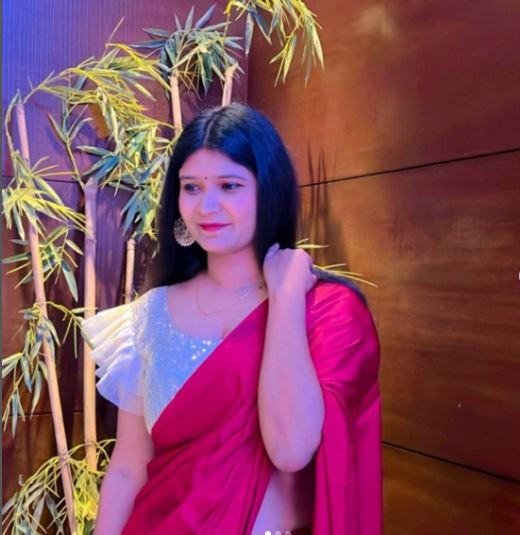
Interview with Pallavi Jhawar, Author of Moments to Memories
In this author interview, Pallavi discusses Moments to Memories, sharing how creativity, mindfulness, and simple everyday activities can help families preserve meaningful moments and strengthen their relationships.on Nov 12, 2026

Frontlist: You are a Chartered Accountant, Montessori educator, nutritionist, and artist. How did these very different worlds come together in the idea for Moments to Memories?
Pallavi: I'm creative at heart and passionately curious about life. My journey has taken me through different paths, from Chartered Accountancy and working with Deloitte to Montessori education and nutrition, each driven by a desire to learn and understand different aspects of life.
But my love for creating and preserving memories has always remained constant. Through my venture, Pink Elephant - Designing Happy Memories, I created scrapbooks, frames and personalised gifts to help people preserve their special moments.
Over time, I realised that my passion went beyond creating keepsakes. I wanted to help people recognise the beauty of everyday moments and find meaningful ways to cherish them. Moments to Memories was a natural extension of that journey, bringing together my creativity, personal experiences and love for relationships.
Frontlist: Was there a particular moment or memory in your own life that sparked the book, or did it grow slowly from your work with families and children?
Pallavi: The love for preserving memories had always been a part of my life, but the idea for the books took shape during the lockdown, when I had time to introspect and think about my purpose.
I initially started making videos for parents, with the intention of sharing one idea every week to help them create memories with their children. But life took its own turns. I lost my father-in-law and, within a few months, my father too. Life came to a standstill, and I found myself reflecting on the moments and relationships that make life meaningful.
Around that time, I connected with Dr. Shubha Vilas, who encouraged me to explore my idea of writing a book. He asked me to write one idea every day and share it with him. That was how the journey began.
What started as a collection of ideas eventually became two books, born out of a deeply personal journey of love, connection and reflection.
Frontlist: The book offers 50 creative, easy-to-implement ideas. How did you choose them, and were there any you tried yourself or with your own family before including them?
Pallavi: Most of the ideas emerged from my own life experiences, the little things I've done with my family, and my love for personalising moments. I've always believed that even an ordinary occasion can become special when we add a personal touch.
I wanted the ideas to be imaginative yet practical, so that people could implement them without feeling overwhelmed. They range from simple activities that bring families closer to creative ways of preserving memories and celebrating life's milestones.
My intention was not just to give people ideas but to encourage them to make these practices their own. After all, memory-making is deeply personal, and the most beautiful memories are often created in the simplest ways.
Frontlist: Can you tell us about the Joyful Jars practice? Why is it a favourite, and how can someone begin it today?
Pallavi: Jars of Joy is one of my favourite ideas because it is so simple, yet so meaningful. The idea is to capture little snippets of happiness as they happen, rather than letting them pass unnoticed.
All you need is a jar, some slips of paper and a pen. Whenever something brings you joy — a beautiful family moment, a kind gesture, a personal achievement or even something that makes you smile - write it down, add the date if you like, and put it in the jar.
Over time, you create your own little treasure trove of happy memories. On a difficult day, you can open the jar and revisit those moments.
Life has its share of ups and downs, but this practice encourages us to consciously notice and preserve the good. It reminds us that happiness often lies in the little things we might otherwise take for granted.
Frontlist: We live in a world that moves at breakneck speed. Why do you think people struggle to pause and hold on to ordinary moments, and how does the book help with that?
Pallavi: We are often so caught up in our routines, responsibilities and plans for the future that we forget to appreciate what is unfolding in the present. We tend to wait for the big occasions — birthdays, celebrations and milestones — to make memories, while overlooking the little moments that make up most of our lives.
Moments to Memories encourages us to slow down and appreciate the frames of life that flicker by. Through simple, creative ideas, it helps us become more conscious of our experiences and find ways to capture them
I believe life is made up of these little moments. When we learn to notice them, we begin to realise how much richness and happiness already exists in our everyday lives.
Frontlist: Your Montessori background emphasises observing and respecting the child. How has it shaped the way you approach memory-making for parents and children?
Pallavi: My Montessori training helped deepen my understanding of how children learn, grow and experience the world around them. It taught me the importance of observing a child, respecting their individuality and allowing them the space to explore.
I believe memory-making should follow the same approach. It shouldn't become another task on a parent's checklist or an attempt to document every milestone perfectly. It should be an opportunity to connect with the child, understand their world and create shared experiences.
Sometimes, what seems like an ordinary moment to an adult may be very special to a child. By being more observant and involved, parents can recognise these moments and nurture a deeper emotional connection with their children.
Frontlist: The book follows the journey of parenthood from the nine months of pregnancy onwards. Why was it important to begin memory-keeping before the child is even born?
Pallavi: I believe the journey of parenthood begins much before the child arrives. The nine months of pregnancy are filled with anticipation, dreams, emotions and the excitement of welcoming a new life. These are precious moments in a family's journey, and I felt they deserved to be cherished too.
We often begin documenting a child's life after birth, but there is so much that happens before that - the first scan, choosing a name, preparing for the baby and imagining the life that lies ahead.
Through Moments to Memories: Preserving the Journey of Parenthood, I wanted to encourage parents-to-be to capture these experiences as well. Years later, these memories can become a beautiful way of sharing the story of how a child's journey began and how eagerly they were awaited.
Frontlist: You describe mindfulness as central to the book. How does preserving memories connect to wellbeing, and does your nutrition background inform that connection?
Pallavi: For me, memory-making begins with mindfulness — being present enough to notice and appreciate the moments we are living. When we pause to reflect on what brings us joy, the relationships we value and the experiences that shape us, we develop a deeper appreciation of our lives.
Revisiting happy memories can also offer comfort, hope and a sense of connection during difficult times. I have always believed that memories add meaning and colour to our existence.
My interest in nutrition came from wanting to understand holistic well-being and how we can nurture both body and mind. While nutrition and memory-making are different aspects of well-being, they reflect a common interest of mine: understanding how we can live more consciously and nurture ourselves in meaningful ways.
Frontlist: As an artist, you've created a visually rich coffee-table book. How did you decide on the look and feel, and how important is the physical, tangible form of a memory keepsake in a digital age?
Pallavi: As an artist, I wanted the books to be visually rich, inviting and enjoyable to explore. I wanted the illustrations, colours and presentation to reflect the warmth and creativity behind the ideas, while making the books practical sources of inspiration.
The coffee-table format allowed me to bring together the beauty of a visual book and the usefulness of a guide. These are books to browse through, revisit and turn to whenever you need an idea.
In a digital world, I still believe there is something special about a tangible keepsake. We take countless photographs on our phones, but how often do we revisit them? A physical photograph, a handwritten note or a memory book invites us to pause and reconnect with an experience.
For me, it is not about choosing between digital and physical memories, but about ensuring that the moments we value are not simply lost in the rush of everyday life.
Frontlist: If a reader could take away just one idea from the book, what would you want it to be, and what do you hope they are doing a year after reading it?
Pallavi: If there is one thing I would want readers to take away, it is this: don't just go through life; grow through life. Become conscious of the moments you are living, create opportunities for connection, and find simple ways to preserve the experiences that bring meaning to your life.
Life will always be a combination of good and bad, happy and sad. My books don't suggest that we turn away from life's challenges. They encourage us to consciously fill our memory banks with moments of joy that can sustain and inspire us.
A year after reading the books, I hope readers have made some of these ideas a part of their lives. Perhaps they have a jar filled with happy memories, a collection of family traditions, or a keepsake they created with someone they love.
Post a comment
0 comments

Trending Posts







Recent Post





Related Post
 (1).jpg)



© 2026 - Frontlist - News and Updates of Publishing Industry, Book Reviews, Education News, Author Interviews, and Videos.. All Rights Reserved.
Sorry! No comment found for this post.